


Bring the drawing, alloy, volume and release evidence together before tooling. A credible die casting service should show what the die can produce and how each batch will be accepted.

Aluminum HPDC supplier review
Die Casting Service: Screen the Part Before the Die Is Cut
-
Drawing review
-
Part screen
-
Production route
-
Aluminum fit
-
Chamber route
-
Die design
-
Tooling quote
-
Defect control
-
Inspection
-
RFQ
Start with the drawing, not the machine.
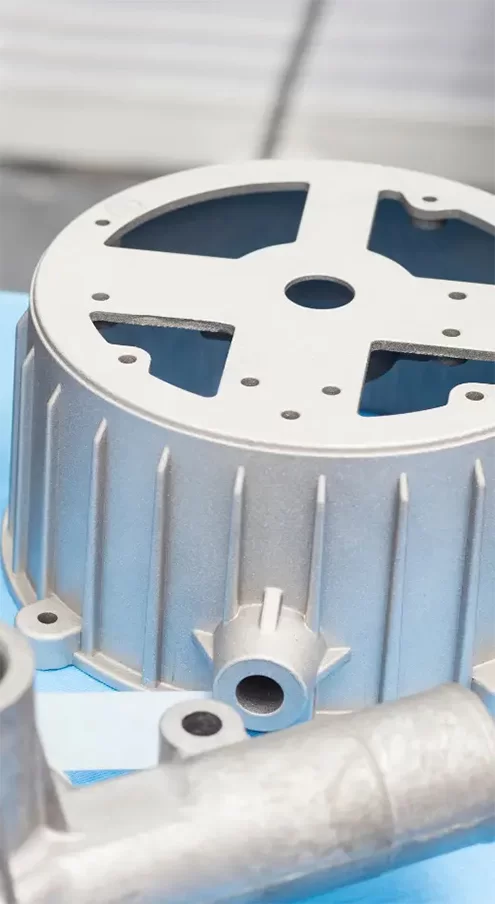
A useful die casting service starts before the tool is released. Its first job is to read the part, alloy, annual volume, critical dimensions and acceptance method as one production problem, then explain which features need DFM changes, which require secondary machining and which will determine the die and machine route.
That first review is where a low piece price can become an expensive program. One thin section, an abrupt wall change, a weak parting line or an undefined porosity limit may not appear in a simple per-part quote, but it will appear during tool tryout. A useful service quote should make those risks visible while the drawing can still change.

Six gates before tooling
Do not choose a die casting supplier from machine tonnage alone. Tonnage is one input. Machine capability depends on the die layout, alloy, projected area, wall condition, gating, venting, thermal control and ejection plan determine whether a machine can make a stable part. Reviewing only the outer envelope is not a service review.
Use the table below as the first release gate. Each row turns a drawing feature into a question that can change tooling, process route, inspection or price. A “yes” does not mean the feature is impossible. This means the supplier should explain the tool and process response before the die is ordered.

Part and process screen
| Buyer check | A releaseable answer looks like | Escalate before tooling when |
|---|---|---|
| Part function and load path | The supplier knows the load, sealing, wear, appearance and assembly duties of the casting. | A structural, pressure-tight or safety function is described only as “good quality”. |
| Alloy and temper | The exact grade, condition and any alternative are named on the drawing or approved by engineering. | The drawing says only “aluminum” while corrosion, machining, wear or higher service temperature matters. |
| Wall condition | Walls are as uniform as the function allows, with transitions that can fill and solidify predictably. | Thin and thick sections meet abruptly, or the thin-wall claim is treated as a universal rule. |
| Draft and ejection | Draft is reviewed by wall, surface depth and alloy, with extra attention to holes and inside features. | A zero-draft note is accepted without an engineered side action or later machining plan. |
| Holes, windows and ribs | The supplier explains which features can be cast, which need bridges, overflows or side actions, and which will be drilled. | The quote assumes every hole and window can be formed without a feed or ejection review. |
| Parting line and trim | The die engineer shows where flash, gates, vents and cosmetic faces will sit and how trim will remove them. | A critical dimension crosses the parting line without a datum and post-trim inspection plan. |
Published capability is a starting boundary, not a guarantee. The current HULK Metal service page publishes the values below. They can start a technical conversation, but the drawing and agreed standard still decide whether a specific part is accepted.
Service route
High-pressure aluminum die casting
Confirm the alloy and part requirement before assuming hot- or cold-chamber equipment.
Published alloys
ADC1, ADC3, ADC5, ADC6, ADC10, ADC12 and ADC14 references
Name the grade and application; do not treat the list as proof that every grade and temper is available for every project.
Published piece weight
Up to 2 tons per piece
Check machine, die size, handling and trim capability for the actual geometry.
Published capacity
500 tons per month
Request launch volume, peak month and machine allocation for the project.
Published quality and finishing
ISO 9001, IATF 16949, CNC machining and surface treatment
Ask for the applicable certificate scope and the exact secondary-operation plan.
How the order moves from RFQ to release
A production-ready die casting service has a visible sequence. Before accepting the quote, the buyer should know what happens after the RFQ, which approval releases the die, what the first sample proves and which correction loop is included in the commercial scope.
- Drawing and volume intake. The supplier receives the current drawing revision, alloy, annual volume, launch batch, critical features, surface requirement, inspection method and destination.
- DFM and die concept. The supplier reviews wall transitions, draft, parting line, gate and overflow locations, ejection, machining stock and inspection access before fixing the tool design.
- Tooling and process release. The customer approves the die layout, alloy, machine route, secondary operations, sample plan and the changes that will be made if the first trial misses a requirement.
- Trial and first article. The first parts are checked against material, dimensional, functional and cosmetic requirements. A trial that looks acceptable but has no recorded measurement is not a release.
- Correction and approval. Die correction, process change, secondary machining or drawing change is recorded against the sample result. The approved sample becomes the visual and technical reference.
- Production and batch release. Material, dimensions, porosity or function, finish, packaging and traceability are checked at the agreed frequency. Nonconforming parts are isolated before shipment.
Put that sequence in the quotation. A quote that lists only piece price and die price leaves the buyer to discover the correction, gauge and inspection costs later.
-
01
Customize Solutions

Before the order starts production, we will develop a complete solution according to your requirements and discuss its feasibility with you. After getting your agreement, we will begin mold manufacturing and sample trial production.
-
02
Mold Making
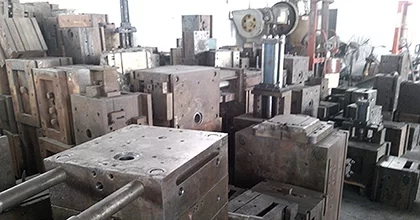
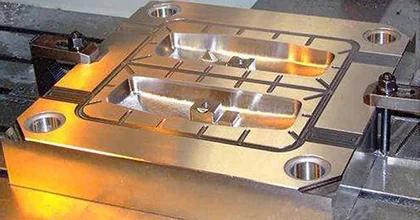
The material of die-casting molds is mainly hot work mold steel H13, as well as high-end mold materials such as KD61, DAC55, DHA1, 8407, W302, and 8418, which have better performance but are more expensive. For more details, kindly contact our engineers.
-
03
Mold Installation & Commissioning
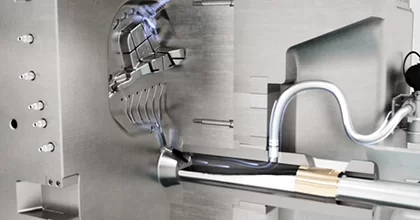
The mold is installed on the die-casting machine for all-round debugging. Ensure that the mold can be closed tightly and that liquid aluminum can be injected into the cavity. It will be used after debugging is completed. Whether it is hot chamber die casting or cold chamber die casting, the mold needs to be preheated before starting production.
-
04
Mold Closing & Preheating
The first step in production is to close the mold, which is then heated to a specific temperature. Preheating has several purposes; 1. Reduce the number of hot mold parts and improve production efficiency, 2. Extend the service life of the mold; 3. Reduce production costs.
-
05
Injection & Cooling
Use an injection gun to inject liquid metal into the mold cavity at high pressure until it is full. Water passes the mold and cools it. After cooling, separate the mold to reveal the molded die casting parts. The casting will be automatically demoulded and dropped into a prepared container.
-
06
Heat Treatment
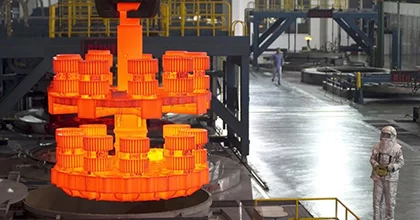
Workpieces produced by high-pressure die casting can not require heat treatment, while workpieces produced by low-pressure die casting and gravity casting can require heat treatment. Because there will be blistering inside the high-pressure die-casting workpiece, the workpiece will be deformed and warped during heat treatment.
-
07
Finishing
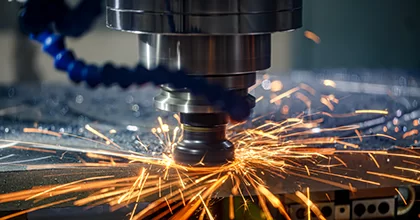
The semi-finished product undergoes CNC processing to adjust the shape and size of the die casting further. The finished product is then obtained through surface treatment processes such as powder spraying, polishing, and electrochemical treatment.
-
08
Quality Control
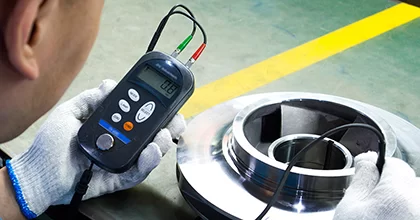
Our quality center can develop inspection plans based on the shape, size, tolerance, surface roughness, hardness, and other die castings requirements and issue inspection reports on materials and finished products.
-
09
Packaging & Delivery
We provide customized packaging services, such as packaging materials, internal filling, packaging printing, etc. We provide freight consulting services and can use our extensive resources to help you find a better freight company.
-
010
After Service
We will provide comprehensive after-sales service to protect the rights and interests of our customers. We believe high-quality services will win customers' trust, just like high-quality products.

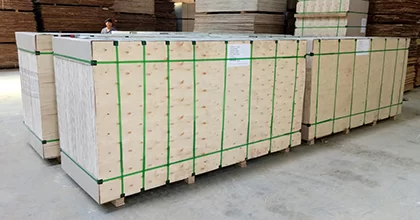

Hot chamber or cold chamber?
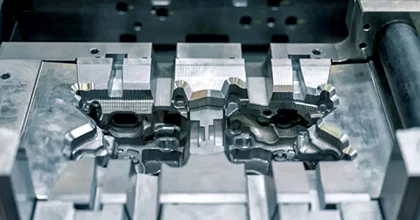
The chamber route should be selected from the alloy and the part, not from a generic sales claim. A hot-chamber machine keeps the injection mechanism in contact with molten metal. A cold-chamber machine ladles or transfers metal into a shot sleeve for each cycle. The equipment, tooling and process controls are different.
| Decision | Hot chamber | Cold chamber |
|---|---|---|
| Typical fit | Lower-melting alloys and parts that fit the machine's established process window. | Aluminum and other higher-melting non-ferrous alloys where the injection system is separated from the melt. |
| What the buyer must ask | Which alloy is actually being run, how the gooseneck and nozzle are controlled, and what corrosion or contamination records are kept. | Which shot sleeve and plunger route are used, how metal temperature and transfer are controlled, and how the first fill is verified. |
| Tool consequence | The die concept must match the established chamber, nozzle and thermal layout. | Gate, runner, overflow, vent and shot profile have to suit the larger cold-chamber arrangement. |
| Acceptance focus | Material condition, fill stability, surface and dimensional repeatability. | Fill and solidification control, porosity or pressure integrity where specified, and post-cast machining condition. |
A route review should show more than a machine size. Ask how the supplier will balance fill time, metal temperature, die temperature and ejection for the actual part, and which of those records is kept during the trial. That is the evidence that the chosen chamber route is being controlled rather than merely named.
HULK Metal's current public service record states aluminum high-pressure die casting. Ask the supplier to confirm the actual chamber route and machine allocation for your alloy before treating the process as selected.

What the die designer must freeze
A die casting quote becomes more reliable when these items are frozen before die design:
- Parting line: decide the cover/ejector split, cosmetic faces, gate and overflow points, flash location and trim strategy.
- Draft and ejection: check outside walls, inside walls, holes and deep features separately because the required draft changes with depth, surface and alloy.
- Fill path: review gate, runner, overflow, vent and thermal conditions together. A feature that can be drawn is not automatically a feature that can be filled.
- Stiffness and mass: use ribs, bosses and fillets with engineering review. Extra ribs can improve stiffness or flow, but unnecessary ribs raise tool complexity and cost.
- Inspection access: define datums, critical dimensions and the surfaces that must remain measurable after trimming, machining and finishing.
The release should be a reviewed drawing, not a conversation. A dimension, tolerance, datum or note that appears after the die is cut is a change with tool and timing consequences.
-
Equipment
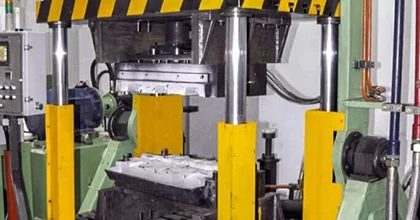
Die-casting machines with different capabilities can better adapt to orders with different volume and structural requirements, improve order production efficiency, and reduce costs.
-
QC Center

It can complete the testing of the metallographic, shape, size, hardness, surface roughness, and mechanical properties of materials and finished products with high quality and issue reports.
-
Production Team
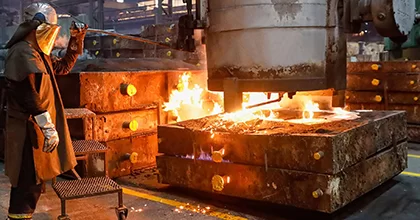
With rich experience, he can better operate and repair equipment, complete every job carefully, and ensure the completion of orders with high quality.
Tooling and piece price belong in one quote
Die casting tooling is a long-life asset and an engineering scope. The die material, cavity and core work, slides, inserts, gating, venting, thermal control, spare details, tryout and correction rights all affect both tool cost and production risk. One number labelled “mould cost” does not tell the buyer what is included.
Separate the quotation into these items:
DFM and die design
Engineering hours, flow review, die layout, drawing approvals and customer revisions.
Die build
Tool steel, cavity and core work, inserts, slides, gating, venting and spare details.
Trial and sample
First trial, sample quantity, measurement, approved cosmetic reference and reporting.
Correction loop
How many rounds are included, what counts as a defect, and who bears a drawing-change cost.
Secondary work
Trim, machining, surface treatment, masking, assembly and any special packaging.
Production price
Price basis, volume bands, material adjustment, scrap rule, packaging and freight terms.
Tool life and maintenance should also be stated. Tool steel, thermal shock and die wash affect the die over time. Ask who owns the die, where it is stored, what maintenance is included and how repairs or changes are approved.
Compare the total program, not the die price in isolation. A lower tool quote that excludes flow review, a defined correction loop, gauges or an approved sample may move cost into production. A higher quote that includes those controls may produce a more predictable launch, but only if the supplier also explains the production price basis and volume band.
-
Die Casting Means:
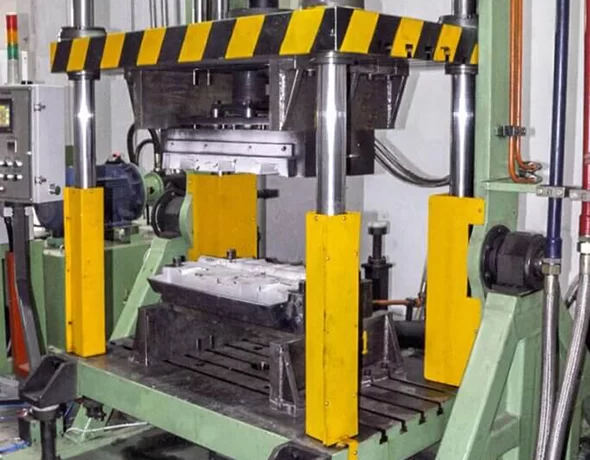
Die casting is a casting process that uses pressure to inject liquid metal into a metal mold cavity and obtain a workpiece after cooling. The materials are usually aluminum, zinc, copper, lead, tin, and their alloys. Die casting is divided into cold chamber die casting and hot chamber die casting, which can also be called low-pressure and high-pressure die casting. The main processes of die casting are mold manufacturing, mold assembly and debugging, mold coating and mold closing, liquid metal injection, and pressure maintenance, cooling mold opening, casting cleaning, and finishing. Parts produced by die-casting include engine cylinder blocks, cylinder heads, gearbox cases, engine hoods, instrument and camera casings and brackets, pipe joints, gears, etc.
-
Advantages & Disadvantages of Die Casting:
Advantages:
1. High productivity, easy to realize mechanization and automation; 2. Thin-walled castings with complex shapes can be produced; 3. Castings have high dimensional accuracy and small surface roughness; 4. Parts can be embedded in die castings.
Disadvantages:
1. Castings are prone to defects such as pores and cracks; 2. The cost of die-casting molds is high and is not suitable for small-batch casting production; 3. Due to the limitations of the clamping force and die size of the die-casting machine, it is not suitable for the production of large die-castings; 4. The materials of die-castings are limited.
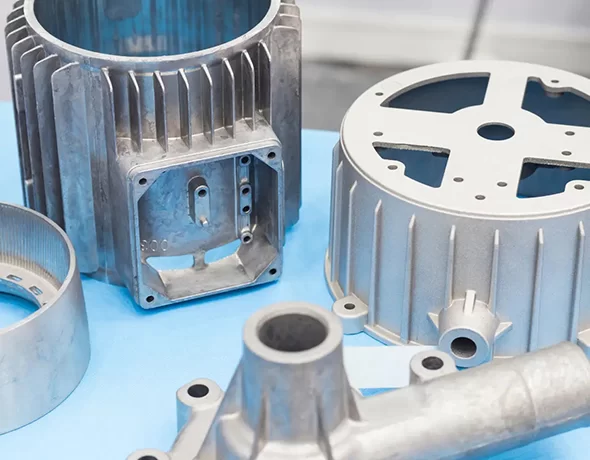
Inspection and batch release
A die casting service should define what “good” means before the first sample arrives. HULK Metal publishes capabilities for material, dimensional, metallographic, hardness, tensile, corrosion and porosity checks, with reports on request. The project must still name the method, sampling frequency and acceptance limit.
| Evidence | When it is needed | Record that should remain |
|---|---|---|
| Alloy identity | At first article and at the agreed production frequency. | Heat or lot identity and the agreed material verification result. |
| Dimensions and GD&T | First article, post-correction and the agreed batch frequency. | A report tied to the drawing revision, datum scheme and final processing stage. |
| Porosity or pressure integrity | Whenever the part seals, carries pressure, carries structural load or has a finishing risk. | The exact test, sample area, acceptance limit and disposition of a failed part. |
| Mechanical or metallographic | When the drawing or application requires proof of material condition. | Coupon location, method, result and reference standard. |
| Cosmetic and post-finishing | After preparation, coating or plating because defects may appear later. | Approved sample, viewing condition, colour or gloss reference and protected features. |
| Packaging and traceability | Before shipment, especially for exposed finishes and safety-related parts. | Part number, revision, lot, quantity, inspection status and returnable packaging instructions. |
Customers can arrange online or on-site factory visits, and HULK Metal supports global shipping. Use those options to verify how the die, process records, inspection equipment and approved samples are controlled.
-
![Casting Defects: A Photo-Led Guide to Misruns, Cold Shuts and Sand Defects]()
October 24, 2026
Casting Defects: A Photo-Led Guide to Misruns, Cold Shuts and Sand Defects
READ MORE
-
![Gravity Casting vs Die Casting: The Tooling Commitment Behind the Quote]()
October 19, 2026
Gravity Casting vs Die Casting: The Tooling Commitment Behind the Quote
READ MORE
-
![Investment Casting vs Sand Casting vs Die Casting: How to Pick the Process From Your Drawing]()
October 16, 2026
Investment Casting vs Sand Casting vs Die Casting: How to Pick the Process From Your Drawing
READ MORE


